Discover a different side of northern Spain, from a historic city filled with architectural treasures to remote mountain valleys, medieval villages, traditional restaurants and landscapes that remain far from the usual tourist routes.
When people think about travelling through northern Spain, they often picture the green coast of Asturias, the elegant streets of San Sebastián or the famous pilgrimage route to Santiago de Compostela. But there is another destination that deserves a much more important place on the map: the province of León.
Located in the northwest of Spain, León is a land of extraordinary contrasts. You can explore a city with more than 2,000 years of history, admire some of the finest Gothic and Romanesque architecture in the country, walk through tiny stone villages, discover ancient Roman gold mines and enjoy traditional dishes that are difficult to find prepared quite as well anywhere else.
And there is something else that makes León particularly special for travellers who prefer to go beyond the usual highlights: the province has seven UNESCO biosphere reserves, protecting an incredible variety of mountain landscapes, forests, valleys and traditional rural environments.
Despite all this, many visitors only spend a few hours in León before continuing towards Galicia or other better-known destinations.
At Hidden in Spain, we believe this is a missed opportunity. Our tailor-made tours through Spain and Portugal are designed to combine the essential highlights with those lesser-known places that make a journey more personal, authentic and memorable.
If you are looking for inspiration for your next custom holiday in Spain, here are the areas of León we believe deserve your attention, including where to stop for local food and when to visit each one.
1. León City: More Than 2,000 Years of History and Remarkable Architecture
Best time to visit: April to June and September to October. Winter is also a good option for travellers who enjoy quieter cities and traditional food.
León is an excellent starting point for discovering the province, but it is also a destination worth exploring at a relaxed pace.
Its origins go back to a Roman military settlement established in the first century BC. Later, León became an important political and cultural centre of the Christian kingdoms of northern Spain, leaving a remarkable architectural heritage.
The historic centre is compact enough to explore on foot, with monumental buildings, lively squares, traditional bars and small streets where everyday local life continues alongside centuries of history.
León Cathedral: A Gothic Masterpiece Filled with Light
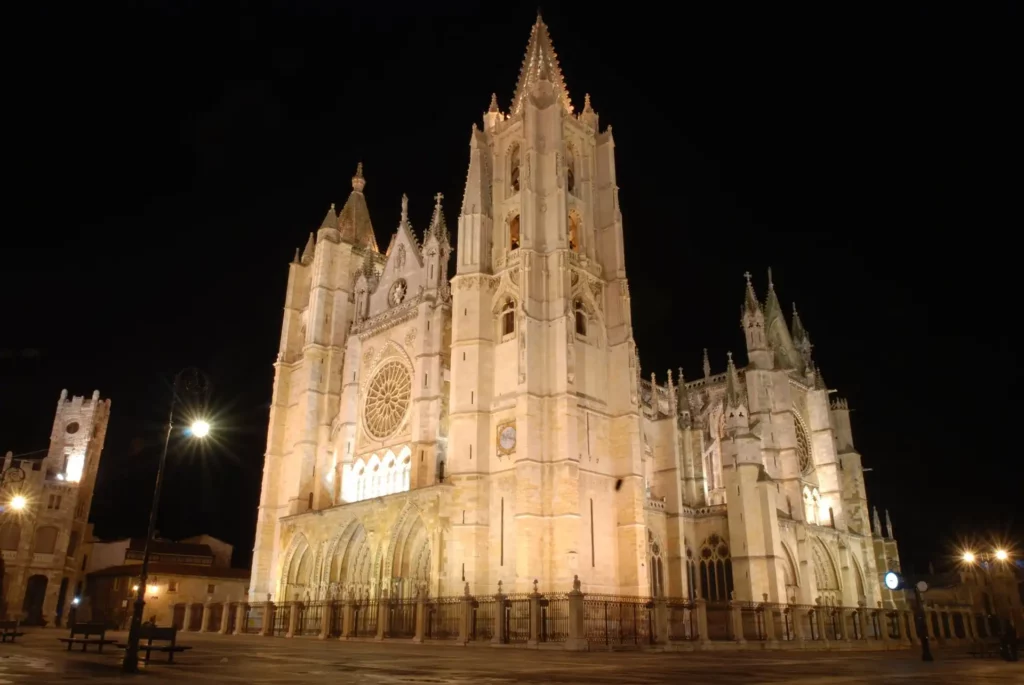
The first place to visit is León Cathedral, officially known as the Cathedral of Santa María de Regla.
Built mainly during the 13th century, this is one of Spain's most beautiful Gothic cathedrals. Its greatest treasure is perhaps its extraordinary collection of stained-glass windows, which fill the interior with colour when sunlight passes through them.
Take your time to appreciate the details of the architecture and the changing light. It is a place that deserves more than a quick photograph before moving on to the next monument.
San Isidoro: The Sistine Chapel of Romanesque Art
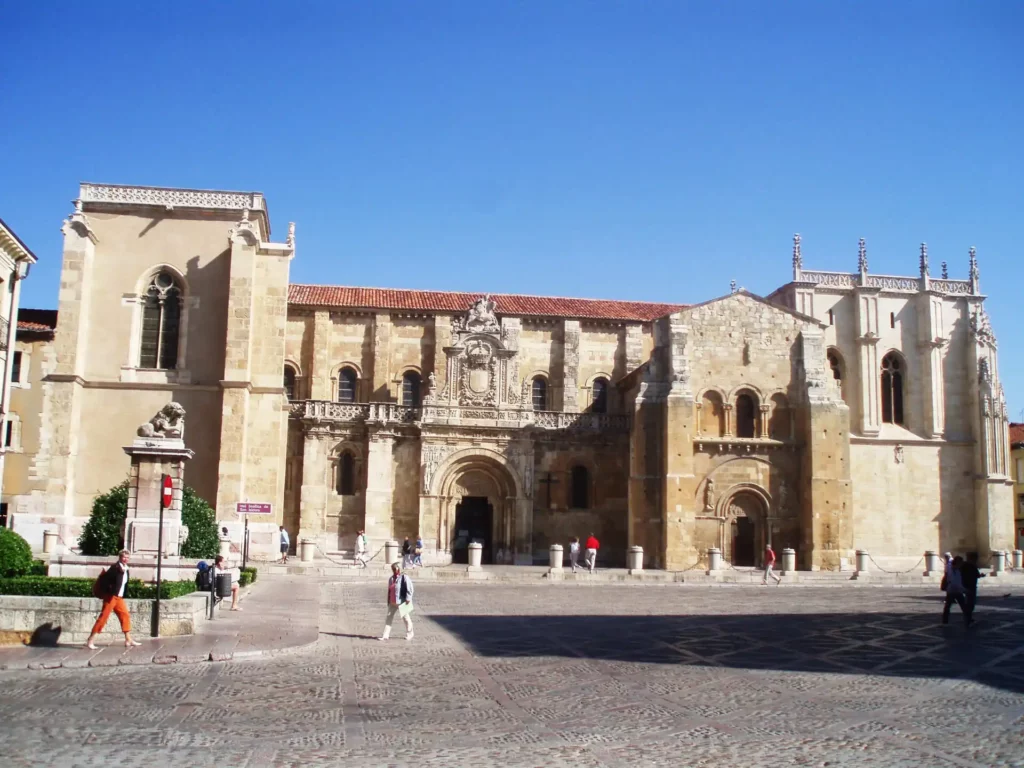
Another essential visit is the Royal Collegiate Church of San Isidoro.
Its Royal Pantheon is famous for its magnificent Romanesque mural paintings, often described as the Sistine Chapel of Romanesque Art. The painted ceilings feature biblical scenes, vivid colours and fascinating details that reveal much about medieval beliefs and artistic traditions.
León also has an important place in the history of democracy. In 1188, King Alfonso IX convened an assembly in the city, and the associated Decreta are recognised by UNESCO for their significance in the development of European parliamentarism.
It is one of those interesting facts that many international visitors never discover, despite visiting the city.
Casa Botines: Gaudí Outside Barcelona
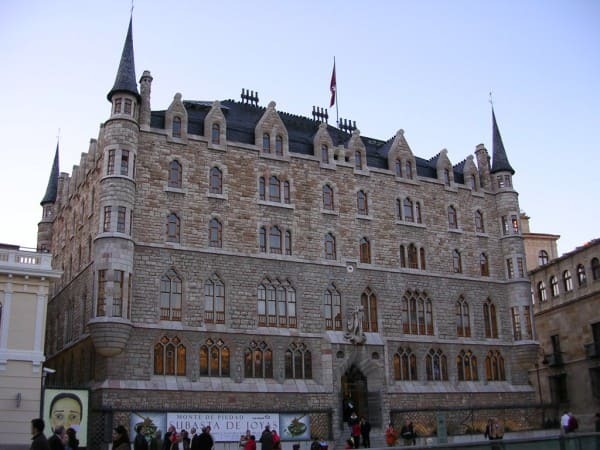
Most travellers associate Antoni Gaudí with Barcelona, but León is home to one of his most interesting works outside Catalonia.
Casa Botines, completed in the late 19th century, combines Neo-Gothic inspiration with Gaudí's distinctive architectural imagination. Its stone façade, towers and castle-like appearance make it one of the city's most recognisable landmarks.
Originally designed for commercial and residential use, the building now houses a museum where visitors can discover more about Gaudí and the history of the building.
For architecture enthusiasts, this is a wonderful reason to include León in a journey through northern Spain.
Where to Eat in León
León is one of the best cities in Spain for enjoying a traditional tapas experience.
The Barrio Húmedo and Barrio Romántico are ideal for wandering between small bars, trying local specialities and discovering the city's relaxed gastronomic culture.
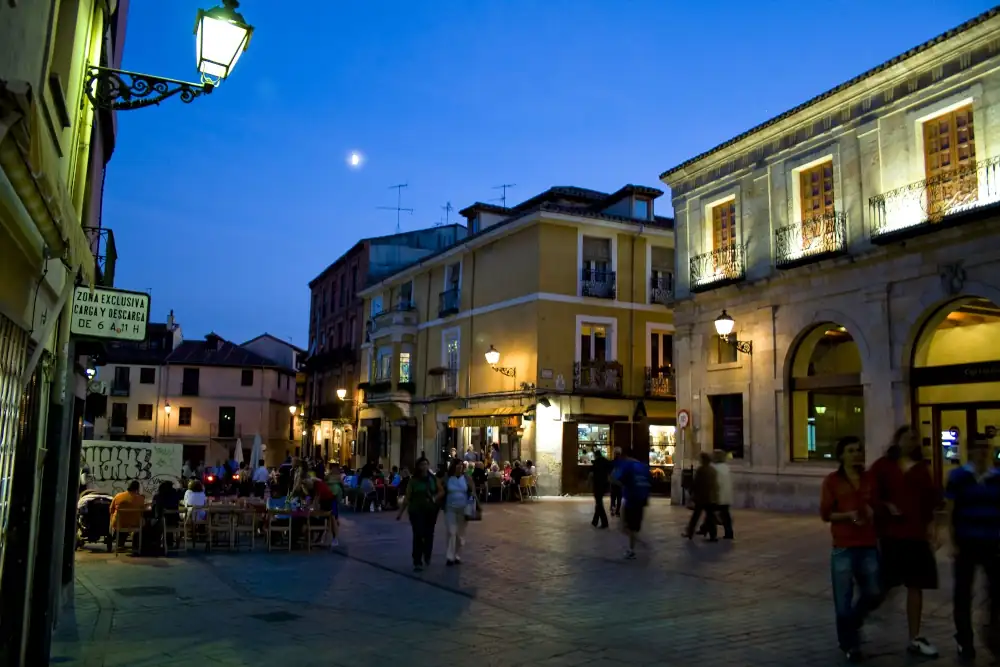
Look for cecina de León, a delicately cured and dried beef, morcilla de León, local cheeses and seasonal dishes prepared with regional ingredients.
For a more substantial meal, try traditional stews and roasted meats. León's cuisine is particularly satisfying during the colder months, when hearty dishes are part of everyday life.
Rather than choosing a restaurant simply because it appears in a guidebook, ask a local where they would go for lunch. These small recommendations often become some of the most memorable parts of a trip.
2. La Maragatería: Tiny Stone Villages and the Famous Cocido Maragato
Best time to visit: April to June and September to October. Winter is particularly appealing if you want to enjoy traditional cooking beside a warm fire.
Just outside Astorga lies La Maragatería, a rural region with a distinctive identity, traditional stone architecture and a long history connected to merchants and muleteers.
Its villages are particularly interesting because their architecture reflects the wealth and customs of the Maragato people, who transported goods across Spain for centuries.
This is an area to explore slowly, without trying to visit too many places in one day.
Castrillo de los Polvazares: A Village Without Traffic
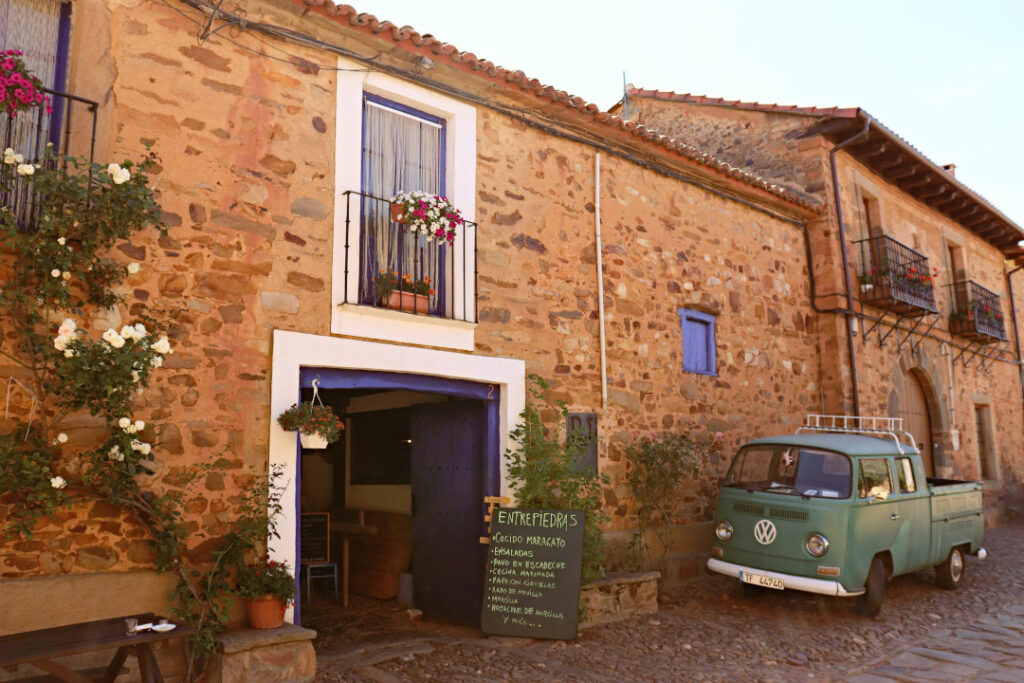
One of the most beautiful villages in the region is Castrillo de los Polvazares.
Its cobbled streets, stone houses, large wooden doors and traditional façades create an atmosphere that feels wonderfully removed from modern life. The historic village is pedestrian-friendly, making it perfect for a leisurely walk.
But there is another reason to visit: the food.
Castrillo is famous for cocido maragato, one of León's most traditional dishes. This substantial stew includes several types of meat, chickpeas, vegetables and soup, but it has a curious characteristic: it is traditionally eaten in reverse order.
First comes the meat, then the chickpeas and vegetables, and finally the soup.
There are different explanations for this unusual custom, but the important thing is to arrive hungry and allow plenty of time for lunch.
Two establishments to consider are Mesón del Arriero and Hostería Cuca la Vaina, both associated with traditional Maragato cooking. Reservations are advisable, particularly at weekends and during busy holiday periods. And my personal favorite, Casa Juan Andrés, not the most popular but a place to discover. Not sure what he does with the peas but those are just like butter, a small piece of heaven in your mouth!!
My recommendation is to combine a walk through Castrillo with a long lunch and a relaxed afternoon. This is not a place to rush through.
Astorga: Roman Heritage, Chocolate and Gaudí
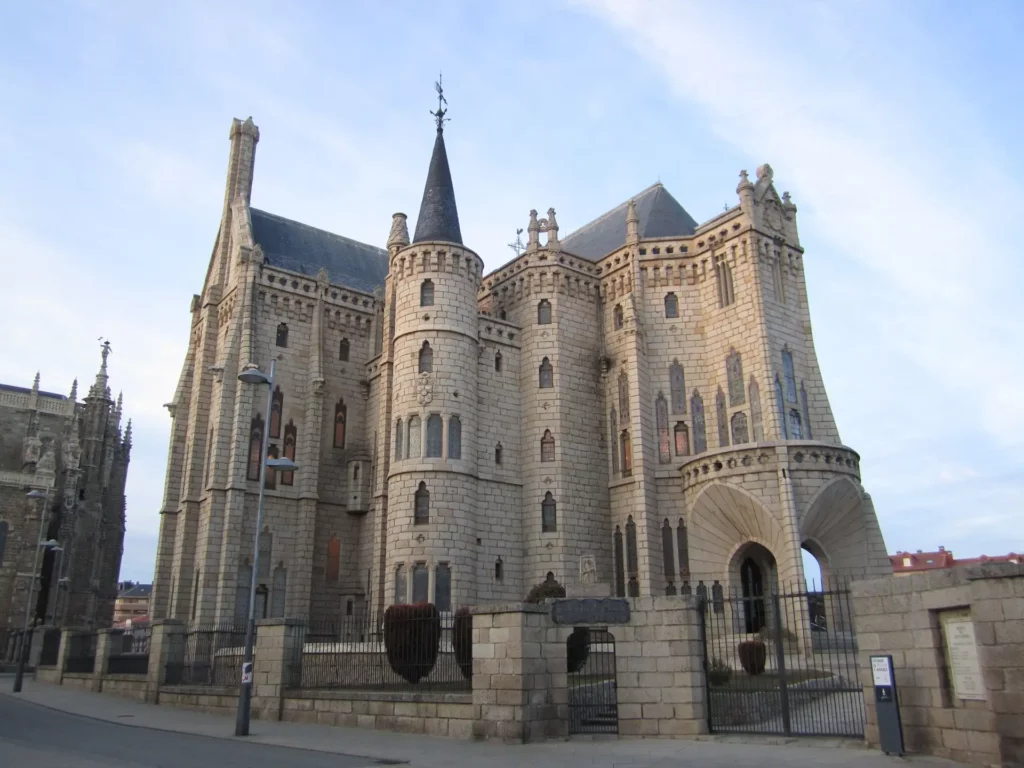
Nearby Astorga is another destination that deserves more than a short stop.
The city was an important Roman settlement and later became a significant point along the Camino de Santiago. Today, its historic centre combines Roman remains, medieval streets, religious architecture and a surprisingly interesting gastronomic tradition.
The two major landmarks are Astorga Cathedral and the Episcopal Palace designed by Antoni Gaudí.
The cathedral was built and modified over several centuries, while Gaudí's Episcopal Palace, with its towers and striking Neo-Gothic design, looks almost like a fairytale castle. The palace now houses the Museum of the Ways, dedicated to the Camino de Santiago.
Astorga is also famous for chocolate and mantecadas, traditional little sponge cakes that make excellent edible souvenirs.
If you visit during autumn or winter, combine the architectural visits with a leisurely lunch featuring local specialities. In spring, the surrounding countryside is particularly pleasant for scenic drives between villages.
3. The Bierzo: Roman Gold Mines, Medieval Castles and Local Wines
Best time to visit: May to June and September to October. Autumn is especially attractive for wine lovers and for the colours of the chestnut forests.
In western León, the landscape changes noticeably. The Bierzo has a relatively mild microclimate, with vineyards, fruit orchards, chestnut forests and fertile valleys surrounded by mountains.
It is one of the most rewarding areas for travellers who enjoy combining history, nature, gastronomy and wine.
Las Médulas: A Landscape Shaped by Roman Gold Mining
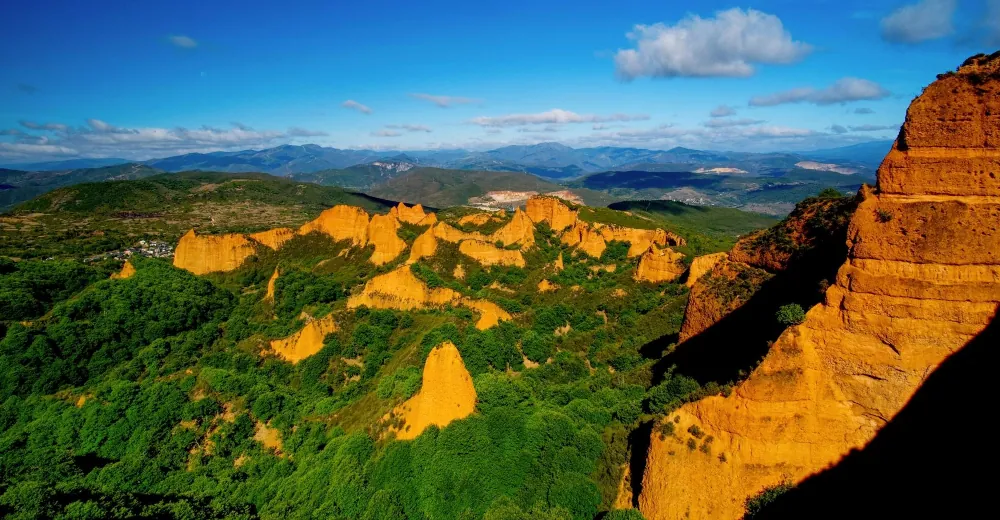
Las Médulas is one of the most extraordinary places in the province and a UNESCO World Heritage Site.
Its reddish hills, unusual rock formations and chestnut trees create a landscape that seems almost unreal. Yet its distinctive appearance is largely the result of Roman gold-mining operations, which transformed the terrain through an extensive hydraulic system.
The Romans used water to break down the mountainsides and extract gold, leaving behind the dramatic formations that visitors see today.
For the best experience, visit early in the morning or later in the afternoon, when the light brings out the rich colours of the earth.
There are several walking routes and viewpoints, so the visit can be adapted to different interests and fitness levels. Spring is beautiful when the vegetation is fresh, while autumn brings warm colours to the surrounding forests.
Ponferrada: The Knights Templar and Medieval Spain
Ponferrada is best known for its impressive Templar Castle, one of the most striking medieval fortifications in northern Spain.
The castle is closely associated with the Knights Templar and the protection of pilgrims travelling along the Camino de Santiago.
After visiting the castle, explore the old town and its small streets, traditional squares and local restaurants.
Ponferrada is also a practical base for discovering the wider Bierzo region, particularly if you want to combine cultural visits with winery experiences and rural excursions.
What to Eat and Drink in the Bierzo
The local cuisine is an essential part of the experience.
One speciality to try is botillo del Bierzo, a traditional pork product usually served with potatoes, cabbage and other vegetables. It is a hearty dish, particularly welcome after a day exploring the countryside.
Other local products include roasted peppers, regional cheeses, cherries, Conference pears and Reineta apples.
The Bierzo is also known for its wines, especially those made with the Mencía grape. These reds often have freshness, character and a strong connection to the region's distinctive terroir.
For a more contemporary gastronomic experience, MUNA in Ponferrada is a restaurant worth considering for creative cuisine inspired by local ingredients. If you prefer a more traditional approach, look for establishments specialising in regional dishes and botillo.
A private winery visit is an excellent addition to a tailor-made journey through León, particularly for travellers who want to understand the connection between a region, its landscape and its food.
4. The Seven Biosphere Reserves of León: A Different Side of Spain
Best time to visit: May to October for most outdoor activities, although the best months depend on altitude, weather and the experience you are looking for.
León is particularly remarkable for its natural diversity.
The province contains seven biosphere reserves recognised by UNESCO: Picos de Europa, Babia, Alto Bernesga, Los Argüellos, Valle de Laciana, Valles de Omaña y Luna and Los Ancares Leoneses.
Together, they protect mountain landscapes, forests, rivers, traditional villages and ecosystems of considerable ecological importance.
For travellers who enjoy nature, scenic drives, wildlife and authentic rural communities, these areas reveal a completely different side of Spain.
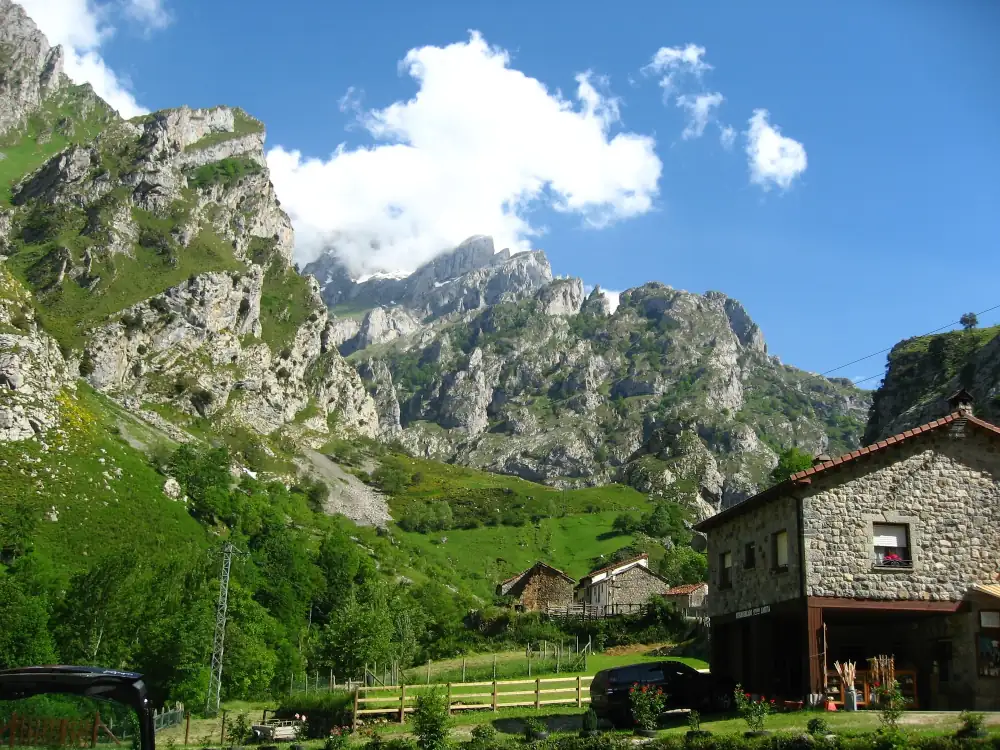
Picos de Europa: Mountains and Traditional Villages
The Leonese side of the Picos de Europa offers dramatic limestone peaks, deep valleys and spectacular viewpoints.
It is an excellent destination for travellers who enjoy mountain scenery but do not necessarily want a demanding hiking holiday. Scenic drives, short walks and visits to traditional villages can be combined with lunch in a small local restaurant.
Look for local cheeses, cured meats and seasonal mountain dishes.
Late spring and early autumn are excellent times to visit, although mountain weather can change quickly. Summer generally offers more predictable conditions for walking.
Babia: Wide Open Landscapes and a Curious Spanish Expression
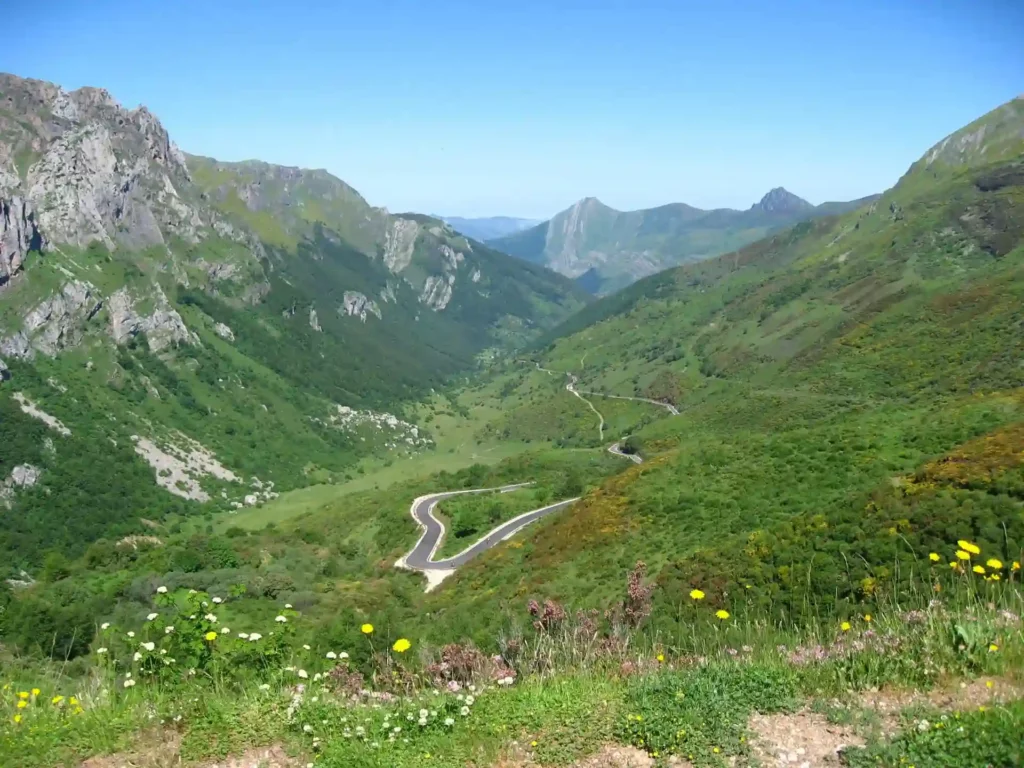
Babia is a beautiful mountain region of open meadows, high peaks and traditional livestock farming.
It is also associated with the Spanish expression estar en Babia, which means to be distracted or lost in thought. The expression is traditionally linked to the area and the story that the kings of León used to retreat here to rest away from the pressures of court life.
Today, Babia remains an ideal destination for disconnecting from busy cities and enjoying the quieter side of northern Spain.
Visit in late spring or summer to appreciate the green pastures and mountain scenery. This is a particularly good area for scenic drives and gentle walks.
Alto Bernesga: Forests, Valleys and Mountain Life
The Alto Bernesga region follows a river valley surrounded by the Cantabrian Mountains.
Its landscape combines forests, meadows, small settlements and mountain scenery, making it an appealing destination for travellers interested in nature and traditional rural life.
It is particularly suitable for a slower itinerary, with time for short walks and stops at viewpoints rather than a packed sightseeing schedule.
Late spring through early autumn is generally the most convenient period for exploring the higher areas.
Los Argüellos: Underground Wonders and Dramatic Limestone Landscapes
Los Argüellos is known for its limestone formations, mountain valleys and underground landscapes.
One of its most impressive attractions is the Cueva de Valporquero, a spectacular cave system filled with stalactites, stalagmites and enormous chambers shaped over thousands of years.
The cave is an excellent option for travellers looking for something different from the usual historical sightseeing. Visits are organised, and opening dates depend on the season, so it is important to check arrangements before travelling.
Nearby, the Hoces de Vegacervera offer dramatic limestone cliffs and a beautiful mountain setting.
Late spring and summer are convenient times to combine the cave with a scenic drive through the surrounding valleys.
Valle de Laciana: Forests, Wildlife and Mining Heritage
Laciana is a region of forests, mountains and valleys with a strong mining history.
Its natural environment is also important for wildlife, including the Cantabrian brown bear, although seeing bears in the wild is never guaranteed.
This is a good destination for travellers who appreciate quiet landscapes and want to understand how traditional communities have adapted to life in the mountains.
Summer is generally convenient for walking, while autumn offers beautiful colours in the forests.
Los Ancares Leoneses: Remote Valleys and Traditional Architecture
In the western part of León, Los Ancares Leoneses is one of the province's most fascinating rural areas.
Its forested mountains, remote valleys and small settlements preserve distinctive traditions and architectural features.
Look out for pallozas, traditional round or oval dwellings with thick thatched roofs, which reflect an ancient building tradition shared with neighbouring areas of north-western Spain.
The landscape is particularly beautiful in spring and summer, while autumn brings warm colours to the forests.
For travellers looking to get away from the busiest routes, this is a wonderful area to explore with a local guide who can explain the history, architecture and traditions of the communities that live here.
Valles de Omaña y Luna: One of León's Quietest Corners
The valleys of Omaña and Luna offer another opportunity to experience a quieter, less-visited side of northern Spain.
Here, you will find mountain scenery, meadows, rivers, small villages and traditional stone buildings. The appeal is not one single monument but the atmosphere of the region as a whole.
It is an ideal area for a scenic drive with frequent stops, short walks and lunch in a traditional restaurant.
Late spring and summer are particularly attractive, while early autumn can bring beautiful colours and a peaceful atmosphere.
A Seventh Biosphere Reserve: Picos de Europa and the Leonese Mountains
The seven reserves are not seven completely separate mountain worlds. Some form part of broader mountain systems, and the Picos de Europa itself extends across more than one autonomous community.
The important point for visitors is the extraordinary concentration of protected landscapes within León. Each reserve has its own character, from the limestone peaks of Picos de Europa to the traditional architecture of Los Ancares and the open meadows of Babia.
You do not need to visit all seven on one trip. In fact, choosing two or three that fit your interests and allowing enough time to explore them properly is usually a much better way to experience the province.
5. Riaño and the Montaña de León: One of Northern Spain's Most Surprising Landscapes
Best time to visit: June to September for mountain activities and longer days; spring and autumn for quieter visits and changing landscapes.
Although the Riaño area is not one of the seven biosphere reserves listed above as a separate reserve, it deserves a place in any itinerary through the mountain regions of León.
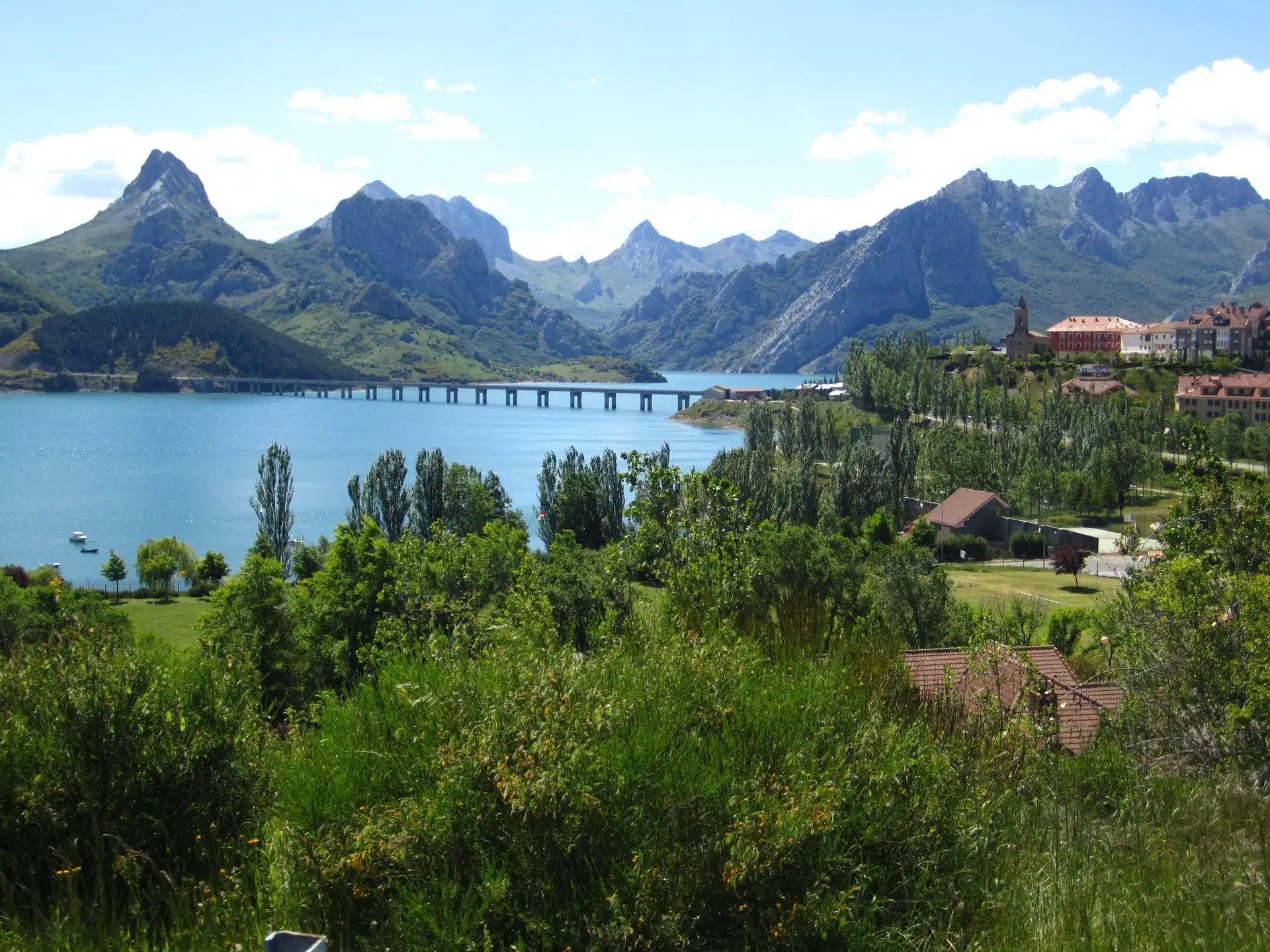
The landscape around the Riaño reservoir is spectacular, with turquoise waters surrounded by steep mountain slopes. On clear days, the reflections of the mountains create some of the most beautiful scenery in the province.
The area is particularly attractive for travellers who enjoy photography, panoramic drives and gentle outdoor activities.
One of the best ways to discover it is to take your time travelling through the mountain roads, stopping at viewpoints and small villages along the way.
The local cuisine is another reason to visit. Look for traditional stews, grilled meats, cured products and regional cheeses in family-run restaurants.
The mountain weather can be unpredictable, even in summer, so it is always worth keeping some flexibility in your plans.
6. Valencia de Don Juan and the Southern Countryside: Another Side of León
Best time to visit: April to June and September to October, when temperatures are generally more comfortable for exploring towns and countryside.
Not every memorable place in León is hidden among the mountains.
The southern part of the province offers a different landscape of open plains, agricultural fields, rivers and historic towns.
Valencia de Don Juan is known for its castle, which dominates the town and recalls the area's medieval history. It is an interesting stop for travellers who want to see a different side of the province, away from the mountain landscapes and the main Camino de Santiago route.
The surrounding countryside also provides an opportunity to discover local food traditions and small towns that rarely feature on international itineraries.
This part of León works particularly well as a stop on a longer journey through northern Spain, especially for travellers who appreciate the variety of landscapes and local cultures.
7. León's Food: What You Should Try Before Leaving
One of the best ways to understand León is through its gastronomy.
The province has a strong culinary identity, with dishes that reflect its climate, agricultural traditions and mountain landscapes.
Here are some of the specialities worth looking for during your visit:
- Cecina de León: Air-dried cured beef with a delicate smoky flavour. It is one of the province's best-known products.
- Cocido maragato: A generous traditional stew from La Maragatería, famously eaten in reverse order.
- Botillo del Bierzo: A traditional pork speciality generally served with potatoes and cabbage.
- Morcilla de León: A distinctive local blood sausage, often enjoyed as a tapa or incorporated into traditional dishes.
- Queso de Valdeón: A blue cheese produced in the Picos de Europa area, with a strong and memorable flavour.
- Pimientos asados del Bierzo: Roasted peppers that are particularly delicious with local bread and other regional products.
- Mantecadas de Astorga: Traditional sponge cakes that make a lovely accompaniment to coffee.
- Chocolate from Astorga: A product connected to the town's long confectionery tradition.
Do not overlook the local wines, particularly those from the Bierzo and the León wine-producing area.
And remember that the best culinary experiences are not always found in the most famous restaurants. Sometimes, a small family-run establishment in a village, serving a menu based on seasonal ingredients, can be the highlight of the entire journey.
When Is the Best Time to Visit León?
León can be visited throughout the year, but choosing the right season makes a considerable difference, particularly if you want to explore both the city and the countryside.
Spring, from April to June: One of the best periods for combining historic cities, villages and natural landscapes. The countryside becomes greener, temperatures are generally pleasant and walking conditions improve as the season progresses.
Summer, from July to August: A good choice for exploring the mountain regions, with longer days and generally better access to higher-altitude areas. It can be warmer in the city and on the southern plains, so planning outdoor activities earlier in the day is advisable.
Autumn, from September to November: Particularly attractive for wine lovers, food enthusiasts and photographers. The vineyards of the Bierzo and the forests of the mountain regions develop beautiful autumn colours. September and October are often especially rewarding.
Winter, from December to March: Ideal for travellers who prefer quieter cities, traditional food and a more atmospheric experience. However, snow and cold weather can affect access to mountain roads and walking routes, so itineraries should be planned accordingly.
The best season ultimately depends on the balance you want between culture, nature, gastronomy and outdoor activities.
How to Discover León Beyond the Usual Tourist Routes
León is a destination that rewards curiosity and a slower pace of travel.
You can spend a few days exploring the city and Astorga, continue through the stone villages of La Maragatería, discover the Roman history of Las Médulas and finish with a few days among the mountains and traditional villages of the province.
The key is not to try to see everything. León is larger and more diverse than many visitors expect, and distances between some of the rural areas can be considerable.
For some travellers, the ideal journey will focus on architecture, history and gastronomy. For others, the attraction will be the mountain landscapes, the small villages and the chance to experience a quieter side of Spain.
At Hidden in Spain, we create tailor-made tours through Spain and Portugal that reflect these different interests. Our approach combines the essential highlights with lesser-known places, local guides, regional gastronomy and experiences selected to suit each traveller.
For those looking for luxury custom trips, this can mean staying in carefully selected boutique hotels, enjoying private guided visits, discovering family-run restaurants and exploring the countryside at a comfortable pace.
Our custom holidays in Spain and Portugal are designed around the people travelling, not around a standard itinerary. We can combine León with Asturias, Galicia, the Basque Country or other regions of Spain, creating a journey that follows your interests rather than simply ticking destinations off a list.
Because sometimes the most memorable part of a holiday is not the place everyone has heard about, but the small village where you stopped for lunch, the local guide who shared a story you would never have discovered alone, or the mountain landscape you had almost missed.
León is full of these moments. You simply need to give it the time it deserves.
Discover the Hidden Side of Spain with Hidden in Spain
Would you like to discover León as part of a tailor-made journey through northern Spain, or combine it with other regions of Spain and Portugal?
At Hidden in Spain, we would be delighted to help you design a personalised itinerary that brings together history, culture, beautiful landscapes, local food and the hidden places that make a trip truly special. Explore our website at hiddeninspain.com and get in touch to start planning your next journey beyond the guidebooks.