A quieter corner of Spain worth discovering
Zamora is one of those Spanish cities that many travelers pass by without realizing what they are missing. Sitting beside the River Duero, close to the Portuguese border, it has an extraordinary collection of Romanesque churches, quiet medieval streets and a food culture that deserves much more attention.
But the real surprise is the province beyond the city: stone villages, natural parks, traditional markets and landscapes that still feel far away from the usual tourist routes. If you are looking for a different side of Spain, Zamora is an excellent destination to include in tailor-made tours through Spain and Portugal.
Zamora city: much more than its cathedral
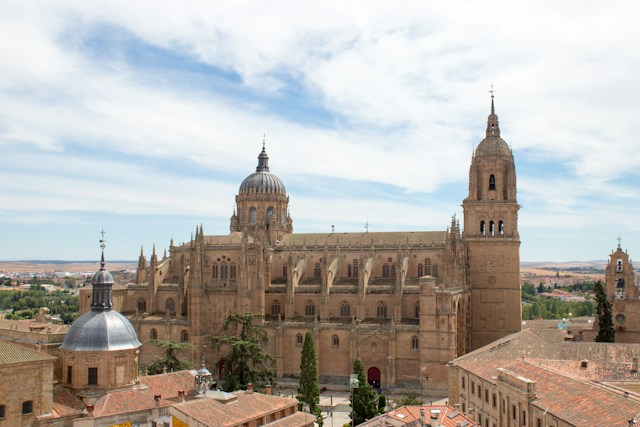
Zamora is sometimes called the *City of Romanesque Art*. Its historic centre has an exceptional number of Romanesque churches, many of them just a short walk apart. Start at the Cathedral, with its unusual Byzantine-influenced dome, and continue through the old streets towards the Church of La Magdalena and San Claudio de Olivares.
One of my favorite corners is **Calle Balborraz**, a steep, colorful street that connects the old town with the lower part of the city. It is easy to walk past the smaller details, so take your time. Another lovely stop is the Troncoso viewpoint, overlooking the Duero River.
There is also a side of Zamora many visitors miss: its modernist architecture. Around Santa Clara and Plaza de Sagasta you can find buildings from the late 19th and early 20th centuries, part of the European Route of Modernism.
For lunch, try Cuzeo, a small restaurant in the old quarter known for its creative approach to local ingredients. Do not leave without tasting “arroz a la zamorana”, a hearty rice dish traditionally prepared with pork products, or *bacalao a la tranca*, a local cod speciality.
Best time to visit: spring and autumn are ideal for walking around the city. Holy Week is particularly important here, with processions that are among the most recognized in Spain, although accommodation should be booked well in advance.
Fermoselle and the Arribes del Duero: a village between vineyards and cliffs
In the west of the province, close to Portugal, Fermoselle is a beautiful stone village built on steep slopes above the Duero. Its narrow streets, old houses and underground wine cellars tell the story of a place where wine has been part of everyday life for generations.
The surrounding Arribes del Duero Natural Park is one of the most surprising landscapes in Castilla y León. The river has carved deep canyons into the granite, creating dramatic viewpoints and a mild microclimate where olive trees, almond trees and vineyards grow.
Look for viewpoints around Fermoselle and nearby villages such as Fariza and Mámoles. The scenery is especially beautiful in spring, when the countryside is green, and in autumn, when the vineyards change color.
For a relaxed meal, **Restaurante España** in Fermoselle is a traditional local option. Try the regional cheese, local wines and dishes based on seasonal produce.
Best time to visit: April to June and September to October. Summer can be very hot, especially during the middle of the day.
Sanabria: glacial lakes and villages that seem frozen in time
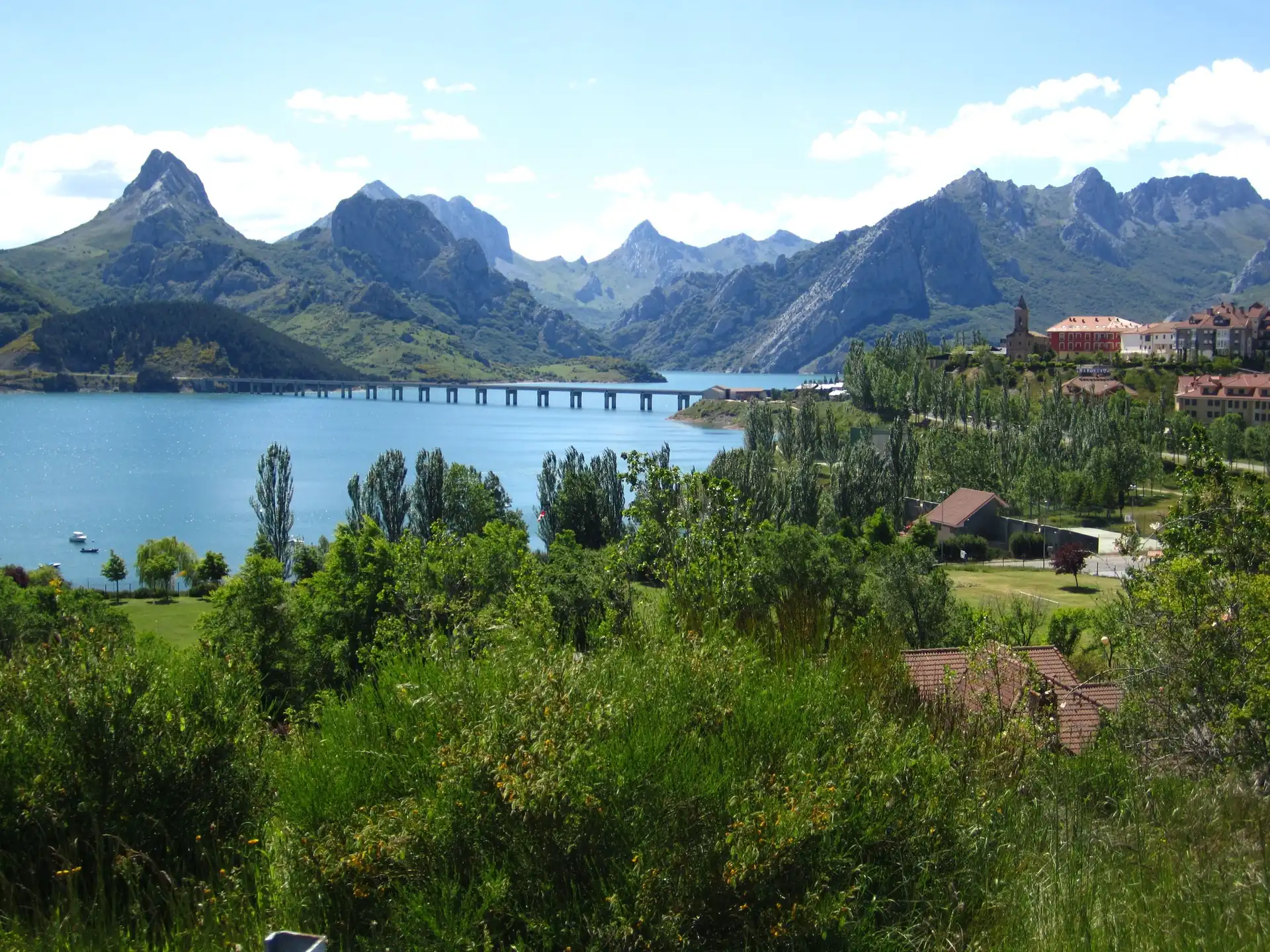
The north-west of Zamora is completely different. Here you find mountains, forests and the impressive Lake Sanabria, the largest glacial lake in the Iberian Peninsula.
The village of San Martín de Castañeda, overlooking the lake, is worth a stop for its historic monastery and spectacular setting. Nearby, Ribadelago Viejo has a much more moving story. In 1959, the collapse of a nearby dam caused a devastating flood that destroyed much of the village and claimed many lives. The remains and memorials are a reminder of this tragic event.
For a meal, the restaurant at the Parador de Puebla de Sanabria is a good place to discover traditional Sanabria cuisine. Look for habones de Sanabria (large local beans), trout, regional cheeses and pulpo a la sanabresa.
Best time to visit: late spring and summer for walking and enjoying the lake; autumn for forests and quieter paths. Winter can be beautiful too, but expect colder weather and check mountain conditions.
Aliste: the rural Spain that many travelers never find
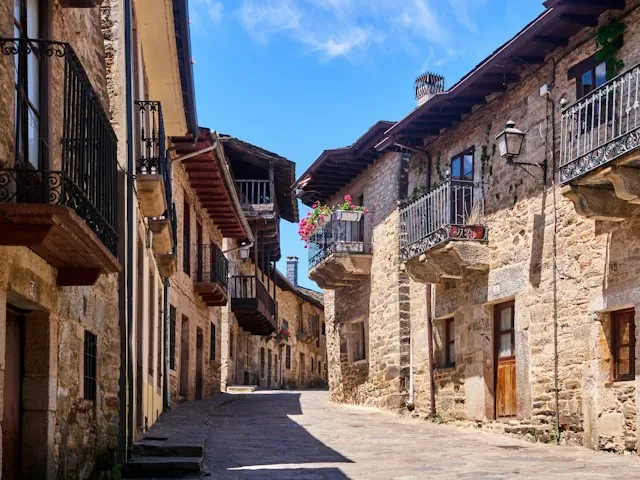
If you want to go further off the beaten path, explore the Aliste region, close to the Portuguese border. Villages such as Santa Cruz de los Cuérragos have traditional stone houses, slate roofs and narrow lanes that preserve a very old rural atmosphere.
This is not a place for rushing from one monument to another. It is about walking, noticing the architecture, talking to local people and enjoying the landscape. The area is also known for its traditional crafts and the distinctive ternera de Aliste, one of the province's best local products.
A stop at a traditional restaurant in the region is part of the experience. Look for grilled local beef, cured meats and seasonal mushrooms.
Best time to visit: spring and early autumn, when temperatures are pleasant and the countryside is at its best.
A few questions before visiting Zamora
Is Zamora worth visiting? Absolutely. It is one of Spain's most rewarding destinations for travelers interested in history, architecture, gastronomy and authentic rural life.
How many days should I spend there? Allow at least two days for the city and another two or three to explore areas such as Arribes del Duero and Sanabria. The distances are greater than they may look on a map.
Can I combine Zamora with Portugal? Very easily. Its location makes it a natural addition to a journey through northern Portugal, Salamanca or the Douro region.
What should I bring home? Zamorano sheep's cheese, local wine, olive oil from the Arribes area and traditional cured meats are all excellent choices.
Discover a different Spain with Hidden in Spain
Zamora is not a destination for ticking off famous attractions. It is a place to slow down, discover small villages, enjoy local food and find the Spain that many visitors never get to see.
At Hidden in Spain, we create luxury custom trips and custom holidays in Spain and Portugal that combine the important highlights with places like these, often missed by conventional itineraries. With local knowledge, private experiences and the freedom to travel at your own pace, we help you discover a more authentic side of the Iberian Peninsula.