Discover the secret corners of Seville, from historic neighbourhoods and ancient Roman cities to whitewashed villages, traditional restaurants and beautiful landscapes that most international travellers never get to see.*
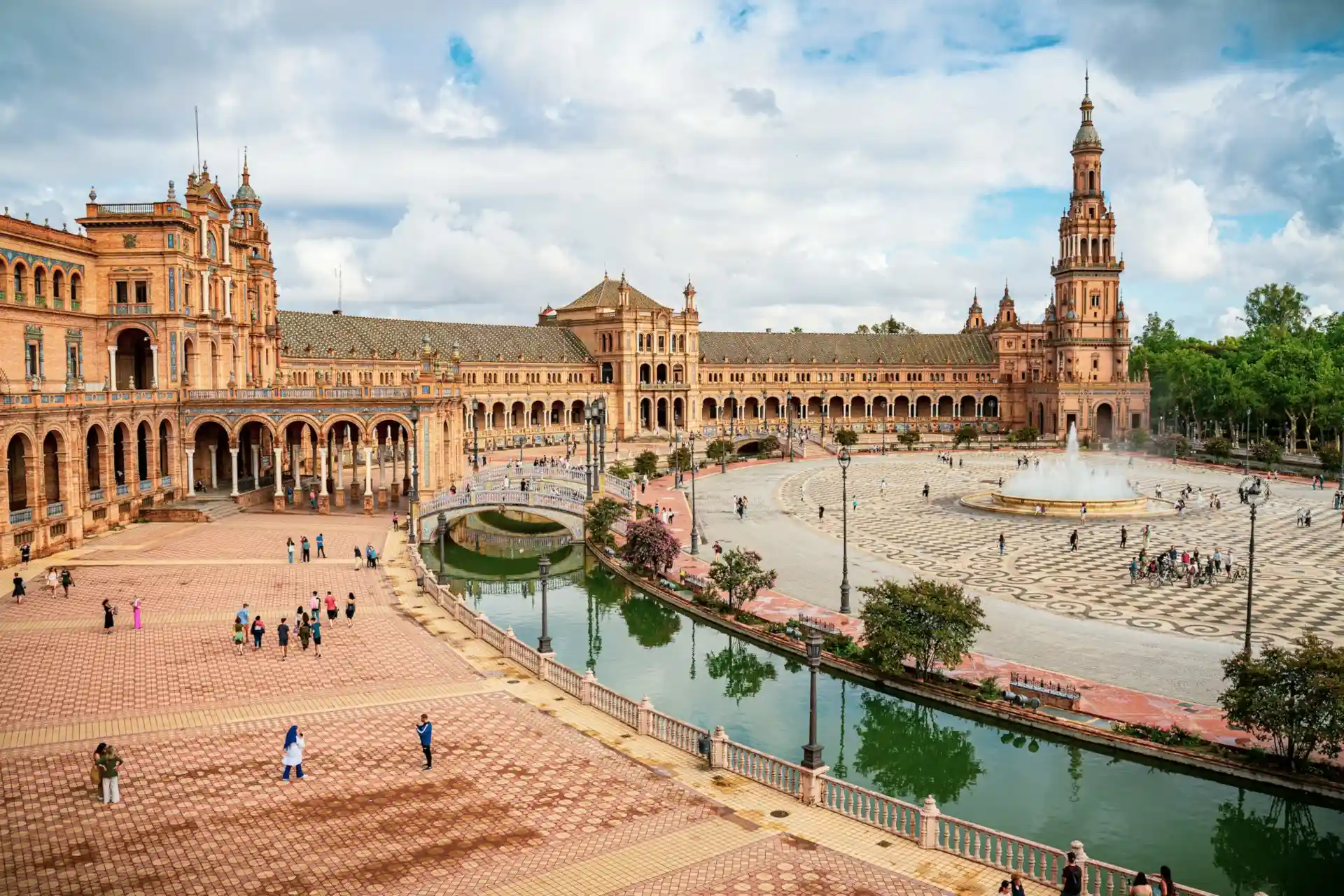
When people think about Seville, they usually imagine the magnificent Cathedral, the Royal Alcázar, Plaza de España and the beautiful streets of Santa Cruz.
And, of course, these places are absolutely worth visiting.
But what if I tell you that some of the most interesting experiences in Seville are waiting just around the corner, in places many visitors never discover?
Seville is a city with more than 2,000 years of history, a fascinating mixture of Roman, Muslim, Jewish and Christian heritage, and a wonderful gastronomic culture that goes far beyond the famous tapas bars.
And the province is even more surprising.
Within a relatively short distance from the city, you can visit ancient Roman settlements, monumental towns with extraordinary architecture, tiny white villages surrounded by olive trees and beautiful natural landscapes where you can enjoy a completely different atmosphere from the busy streets of the Andalusian capital.
Some of these places are well known to Spanish travellers but remain surprisingly unknown to international visitors.
At Hidden in Spain, we believe that discovering these places is one of the best ways to experience the country.
Our tailor-made tours through Spain and Portugal combine the essential highlights with hidden places, local experiences and carefully selected stops that make each journey more personal.
If you are planning a trip to Seville and would like to discover something beyond the usual tourist routes, here are some of the places we recommend exploring.
Seville City: The Hidden Corners Most Visitors Miss
Best time to visit: March to May and October to November. Spring is particularly beautiful, although Easter and the April Fair bring a very special atmosphere and also more visitors.
Seville is one of the most beautiful cities in Spain, but it is also a destination where the experience can change considerably depending on where you walk.
The historic centre is full of extraordinary monuments, but some of its most interesting places are not necessarily the ones appearing in every travel guide.
The Barrio de Santa Cruz: Beyond the Famous Streets
The old Jewish quarter of Santa Cruz is one of the most visited areas of Seville.
Its narrow streets, whitewashed houses, small squares and orange trees make it a wonderful place to explore.
However, many visitors follow the same route between the Cathedral and the most famous squares, missing some of the quieter corners.
One of the streets worth discovering is Callejón del Agua, a narrow passage that runs alongside the old walls of the Alcázar.
The name comes from the water channel that once supplied the palace gardens.
Another interesting place is Plaza de Doña Elvira, a beautiful little square surrounded by traditional houses and orange trees.
But my favourite recommendation is simply to leave the main streets and explore the smaller lanes around Santa Cruz.
You will find hidden courtyards, old houses with beautiful patios and small details that reveal how much of Seville's history remains part of everyday life.
The best time for this walk is early in the morning, before the streets become busy, or later in the afternoon when the light becomes softer.
Casa de Pilatos: A Palace Most Visitors Do Not Fully Appreciate
Casa de Pilatos is one of Seville's most extraordinary palaces.
Although it is located very close to the historic centre, many travellers do not include it in their itinerary.
The building combines Italian Renaissance architecture with Mudéjar decoration, creating one of the most interesting architectural combinations in the city.
Its courtyards, gardens, tiles, sculptures and decorative details are particularly beautiful.
What makes the palace special is the mixture of architectural influences.
You can see elements inspired by Italian Renaissance palaces alongside traditional Andalusian craftsmanship, including extraordinary ceramic tiles and carved wooden ceilings.
It is a wonderful place for travellers interested in architecture, art and history.
I would recommend visiting in the morning, particularly during spring, when the gardens are especially pleasant.
The Hospital de los Venerables: A Hidden Artistic Treasure
Another place that deserves more attention is the Hospital de los Venerables, located in the heart of Santa Cruz.
Originally built in the 17th century as a residence for elderly and retired priests, the building is now an important cultural space.
Its beautiful courtyard, traditional architecture and church make it a particularly interesting visit.
The church is famous for its magnificent Baroque decoration and paintings, including works associated with the Spanish Golden Age.
The building also houses the Velázquez Centre, dedicated to the study and appreciation of the painter Diego Velázquez.
For visitors who enjoy discovering the artistic side of Seville, this is an excellent alternative to spending all their time visiting the most famous monuments.
The Alameda de Hércules: Where Seville Lives Like a Local
The Alameda de Hércules is one of the oldest public gardens in Europe and a very different part of Seville from the historic tourist centre.
Today, it is one of the city's most lively neighbourhoods, particularly in the afternoon and evening.
The square is surrounded by cafés, bars, restaurants and small independent businesses.
It is a wonderful place to stop for a drink, enjoy tapas and experience a more contemporary side of the city.
The area also has a fascinating history.
The Alameda was created in the 16th century and became an important public space long before many modern European urban parks existed.
If you visit Seville in spring or autumn, I recommend spending some time here in the late afternoon.
It is a good opportunity to relax after sightseeing and enjoy the atmosphere of the city without following a strict itinerary.
San Luis de los Franceses: One of the Most Beautiful Baroque Churches in Spain
Located in the Macarena neighbourhood, the Church of San Luis de los Franceses is one of Seville's most extraordinary architectural treasures.
Built in the 18th century, it is a magnificent example of Spanish Baroque architecture.
Its interior is particularly impressive, with elaborate decoration, dramatic columns and a beautiful central dome.
The church was originally part of a Jesuit novitiate, and its architecture reflects the religious and artistic ambitions of the period.
It is one of those places that many visitors miss simply because it is outside the main sightseeing route.
For travellers interested in architecture, religious art and the history of Seville, it is well worth the visit.
The surrounding Macarena neighbourhood also offers a more traditional atmosphere, with local bars, small shops and streets where everyday life continues away from the busiest tourist areas.
Triana: More Than Flamenco and Ceramic Shops
Triana is one of the most famous neighbourhoods of Seville, located across the Guadalquivir River.
Most visitors come here for its ceramic tradition, the famous Triana Market and its connection with flamenco.
But there is much more to discover.
Walk away from the main riverside streets and explore the smaller lanes around the old neighbourhood.
You will find traditional houses, small squares, historic churches and places where the local atmosphere is still very strong.
One particularly interesting place is the Capilla de los Marineros, home of the Esperanza de Triana, one of Seville's most beloved religious images.
Triana has also been historically connected with sailors, fishermen, ceramic makers and flamenco artists.
For food lovers, this is an excellent neighbourhood to discover traditional tapas.
Try fried fish, grilled seafood, spinach with chickpeas, Iberian ham and local cheeses.
A good way to experience Triana is to visit in the late afternoon, enjoy a walk along the river and finish with tapas in one of the traditional bars.
Where to Eat in Seville: Discover the Traditional Tapas Culture
Seville is one of the best cities in Spain for enjoying tapas, but the experience is not only about visiting famous restaurants.
Some of the most interesting places are small traditional bars where locals stop for a quick drink and something to eat.
Try the famous espinacas con garbanzos, a traditional dish combining spinach, chickpeas, garlic and spices.
Other specialities include salmorejo, fried fish, Iberian pork, croquetas and montaditos.
For a traditional experience, you can explore the area around Alameda de Hércules, Triana or the streets surrounding the historic centre.
One of the best things about eating in Seville is that you do not need to sit down for a long meal to enjoy excellent food.
Sometimes, the best experience is simply moving between a few small bars, trying different dishes and enjoying the atmosphere.
Carmona: A Beautiful Historic Town Only 30 Minutes from Seville
Best time to visit: October to May. Spring is particularly beautiful, while autumn is excellent for exploring the town and enjoying its traditional gastronomy.
Carmona is one of the most interesting historic towns in the province of Seville.
Located on a hill overlooking the fertile plains of the Campiña, it has a history going back more than 3,000 years.
The town was important during the Roman period and later became a significant centre during the Muslim rule of Andalusia.
Despite its historical importance, Carmona is often overlooked by international travellers who focus on Seville itself.
And that is a shame.
The historic centre is full of beautiful streets, traditional houses, churches and old palaces.
The Roman Necropolis: A Fascinating Piece of Ancient History
One of the most interesting places to visit is the Roman Necropolis of Carmona.
The archaeological site contains an important collection of Roman funerary monuments, including underground burial chambers and tombs carved into the rock.
The most famous is the Tomb of Servilia, an impressive monumental burial complex that gives an idea of the importance of Carmona during Roman times.
The site is particularly interesting because it reveals how Roman funerary traditions developed in southern Spain.
It is also a reminder that the history of Andalusia goes much further back than the medieval period.
The Alcázar de la Puerta de Sevilla
Another essential stop is the Alcázar de la Puerta de Sevilla.
This historic fortress was built around one of the main entrances to the old city.
Its origins are connected with the Roman period, although the structure was modified during later centuries.
The fortress is particularly interesting because it combines different historical layers, including Roman, Muslim and Christian elements.
From the upper areas, you can enjoy beautiful views over the surrounding countryside.
Carmona is also famous for its traditional architecture, with whitewashed houses, small squares and streets that are ideal for exploring on foot.
Carmona's Gastronomy: A Taste of Traditional Andalusia
Carmona has a wonderful gastronomic tradition.
One dish worth trying is alboronía, a traditional vegetable stew made with aubergine, pumpkin and other ingredients, often associated with the culinary heritage of Al-Andalus.
You should also look for espinacas con garbanzos, gazpacho, migas and seasonal dishes prepared with local vegetables.
The town is particularly famous for its torta inglesa, a traditional pastry that makes an excellent accompaniment to coffee.
For a relaxed lunch, the local tourism office lists several establishments in the historic centre, including Casa Curro Montoya and La Cueva.
These are good places to consider when looking for traditional food rather than a formal gastronomic experience.
Carmona is also a wonderful place to stop for a coffee or a drink while exploring its historic streets.
A Small Secret About Carmona
Carmona has a fascinating underground water history.
The town developed a complex network of wells and water systems, and archaeological discoveries have revealed how important water management was for its inhabitants.
The location of Carmona, on a naturally elevated plateau, made it strategically important but also created challenges for water supply.
This is one of those details that helps explain why the town developed the way it did.
For travellers interested in history, Carmona is much more than a pretty village.
It is a place where Roman engineering, medieval fortifications and traditional Andalusian architecture come together.
---
Santiponce and Itálica: The Roman City Most Visitors Never Include
Best time to visit: October to May. Spring is particularly pleasant for exploring the archaeological site, while summer visits are best planned early in the morning.
Just a short drive from Seville lies Santiponce, a small town that is home to one of the most important Roman archaeological sites in Spain.
It is a wonderful place to visit if you are interested in ancient history, architecture and the Roman world.
Itálica: The Birthplace of Roman Emperors
The Roman city of Itálica was founded in 206 BC and became an important settlement during the Roman Empire.
It is traditionally associated with the birthplaces of emperors Trajan and Hadrian, two of the most important rulers in Roman history.
The archaeological site contains impressive remains of Roman streets, houses, mosaics and public buildings.
The most famous monument is the amphitheatre, which could accommodate around 25,000 spectators and was one of the largest in the Roman Empire.
Walking through the ruins gives you a fascinating idea of how Roman cities were organised.
One of the most interesting details is the size of the houses.
Some of the Roman residences were enormous, with courtyards, decorative mosaics and elaborate architectural features.
It is a wonderful opportunity to understand how wealthy Roman families lived in southern Spain.
The Monastery of San Isidoro del Campo
Santiponce is also home to the Monastery of San Isidoro del Campo.
Founded in the 14th century, the monastery is an important example of medieval religious architecture.
Its history is connected with the Christian reconquest of Andalusia and the development of religious institutions in the region.
The building contains interesting Gothic and Mudéjar elements, together with beautiful courtyards and historic decoration.
It is a particularly good visit for travellers interested in architecture and the religious history of Spain.
A visit to Itálica can easily be combined with a half-day excursion from Seville.
For travellers who enjoy Roman history, it is one of the most rewarding places in the province.
---
Osuna: Monumental Streets, Beautiful Palaces and a Town That Deserves More Attention
Best time to visit: March to May and October to November. Spring is especially attractive for walking through the historic centre.
Osuna is one of the most beautiful towns in the province of Seville.
Located in the Campiña, it has an extraordinary historic centre filled with palaces, churches, convents and monumental streets.
It is also a destination that many international visitors do not know, despite its architectural importance.
The Collegiate Church of Osuna
The Collegiate Church of Santa María de la Asunción is one of the town's most impressive monuments.
Built during the 16th century, it dominates the historic centre and contains an extraordinary collection of religious art.
The church is particularly interesting for its Renaissance architecture and its connection with the powerful Dukes of Osuna.
The town's history is closely connected with this noble family, whose influence helped shape its monumental character.
Calle San Pedro: One of the Most Beautiful Streets in Andalusia
One of the places I recommend most is Calle San Pedro.
This historic street is lined with impressive palaces and traditional houses, many of them decorated with beautiful façades and architectural details.
It is a wonderful place for a leisurely walk.
The street gives you a good idea of the wealth and influence of Osuna during the Renaissance and Baroque periods.
Unlike some of the more famous destinations in Andalusia, Osuna often feels relaxed and relatively quiet.
This makes it particularly appealing for travellers who want to explore historic towns without spending the entire day surrounded by crowds.
Osuna's Food: Traditional Dishes and Local Olive Oil
Osuna has a strong culinary identity connected with the agricultural traditions of the Campiña.
One dish to try is **cocido ursaonés**, a traditional local stew.
You should also look for ardoria, a cold tomato-based dish similar to other traditional Andalusian preparations, repapalillas de bacalao and guisos made with seasonal vegetables.
The region is particularly famous for its olive oil, which plays an important role in local cooking.
For a relaxed meal, the official tourism information lists restaurants such as Restaurante Oriba and Casa Curro, together with several traditional bars and taverns.
Osuna is also known for its convent sweets, which make a lovely stop during a walk through the historic centre.
A Curious Fact About Osuna
Osuna became internationally recognisable to some television viewers because parts of the town were used as filming locations for *Game of Thrones*.
However, its history and architecture are much more interesting than its connection with television.
The town has been an important cultural and religious centre for centuries, and its historic streets provide a wonderful introduction to the architectural heritage of southern Spain.
Marchena: A Hidden Historic Town with a Beautiful Medieval Centre
Best time to visit: March to May and September to November.
Marchena is another historic town in the province that deserves more attention.
It is particularly interesting for travellers who enjoy discovering traditional Andalusian towns with a strong local identity.
The historic centre contains remains of medieval walls, old gates, churches and traditional houses.
One of the most interesting areas is the Barrio de la Mota, where you can discover the remains of the old fortified settlement.
The town's architecture reflects centuries of history, including the period of Muslim rule and the later Christian development of the region.
Marchena is also known for its religious traditions, particularly during Holy Week.
The town has a strong connection with traditional music, religious art and local celebrations.
What to Eat in Marchena
The local cuisine is based on traditional Andalusian ingredients.
Look for dishes prepared with olive oil, seasonal vegetables, meat and local products.
As in many towns in the province, traditional bars and small restaurants are often the best places to discover regional cooking.
Marchena is an excellent stop for travellers exploring the Campiña between Carmona and Osuna.
It offers a quieter atmosphere and a more local experience than many of the better-known destinations.
Écija: The City of Towers and Beautiful Baroque Architecture
Best time to visit: October to May. Spring and autumn are particularly pleasant for exploring the historic centre.
Écija is one of the most interesting monumental towns in the province of Seville.
It is often called the City of Towers because of its extraordinary collection of church towers and bell towers, many decorated with beautiful ceramic tiles.
The town has a long history, including an important Roman period.
During the Roman Empire, Écija was known as Astigi and became a significant centre for agricultural production and trade.
Today, the historic centre contains churches, palaces, convents and traditional streets that are particularly interesting for architecture lovers.
Discover the Historic Centre
One of the best ways to explore Écija is simply to walk through its streets.
The town has a remarkable collection of Baroque architecture, including decorated façades, monumental churches and historic palaces.
The Plaza de España, also known locally as El Salón, is an important meeting point in the historic centre.
From here, you can explore the surrounding streets and discover some of the town's most interesting buildings.
Écija is also famous for its traditional crafts and its connection with the Andalusian countryside.
Local Food in Écija
The cuisine of Écija reflects the agricultural traditions of the Campiña.
Try traditional stews, local vegetables, olive oil and seasonal dishes.
The town is also famous for its molletes, a traditional type of bread that is particularly good for breakfast.
If you visit during spring, look for dishes prepared with seasonal vegetables.
Écija is a wonderful destination for travellers who enjoy combining architecture, history and gastronomy.
Cazalla de la Sierra and Constantina: The Green Side of Seville
Best time to visit: March to June and September to November. Autumn is particularly beautiful in the forests, while spring is excellent for walking and enjoying the countryside.
When people think about Seville, they often imagine hot weather, orange trees, whitewashed villages and historic monuments.
But the northern part of the province offers a completely different landscape.
The Sierra Norte de Sevilla is a natural area of forests, hills, rivers and traditional villages.
It is one of the most surprising parts of the province for travellers who enjoy nature and rural experiences.
Cazalla de la Sierra: White Houses, Forests and Traditional Spirits
Cazalla de la Sierra is a beautiful village located in the Sierra Morena.
Its whitewashed houses, historic churches and traditional streets create a wonderful atmosphere.
The village is surrounded by forests, dehesa landscapes and natural areas that are ideal for walking.
One of the most interesting places to visit is the Cartuja de Cazalla, a historic monastery with origins in the 15th century.
The building has been transformed over time and is now an important cultural and accommodation space.
Cazalla is also famous for its traditional anise and cherry liqueurs.
The local distilling tradition has been connected with the village for centuries, and the name Cazalla became widely associated with aniseed spirits.
For travellers interested in local products, this is a particularly interesting place to discover the gastronomic heritage of the region.
The Huéznar River and the Green Landscapes
One of the most beautiful natural areas around Cazalla is the Huéznar River.
The river flows through a landscape of forests, meadows and shaded areas, creating a very different atmosphere from the dry plains around Seville.
The area is particularly attractive for walking and enjoying the countryside.
There is also a former railway route that has been converted into a greenway, offering opportunities for cycling and walking.
This is an excellent destination for travellers who want to spend a day outdoors without undertaking a demanding mountain excursion.
Spring and autumn are particularly pleasant, although the area can be enjoyed throughout the year.
Constantina: A Historic Village Surrounded by Nature
Constantina is another beautiful village in the Sierra Norte.
Its historic centre contains traditional houses, churches and narrow streets, together with the remains of its medieval castle.
One particularly interesting area is the old Morería neighbourhood, where the street layout preserves traces of the village's Muslim past.
Constantina is also known for its traditional food, particularly Iberian pork products, cured meats and local specialities.
The surrounding countryside offers opportunities for walking and scenic drives.
If you visit during autumn, the nearby chestnut trees create a beautiful landscape.
The area around Constantina is also known for its traditional woodland management, which has shaped the local environment over centuries.
Where to Eat in the Sierra Norte
The Sierra Norte is an excellent place to enjoy traditional Andalusian cooking.
Look for Iberian pork, local sausages, grilled meats, wild mushrooms during the appropriate season and dishes prepared with seasonal vegetables.
In Cazalla de la Sierra, Bar Casa Pacheco is a local establishment worth considering for homemade tapas and traditional food.
The town's official tourism information also lists other local restaurants and bars where visitors can enjoy regional cooking.
For travellers who enjoy discovering local products, this is a wonderful area to explore slowly, stopping for lunch and enjoying the surrounding countryside.
A Different Seville: White Villages, Olive Groves and Quiet Landscapes
The province of Seville is not only about monumental towns and historic cities.
It also has beautiful rural landscapes, traditional villages and natural areas that are particularly attractive for travellers who enjoy getting away from the busiest routes.
El Pedroso: A Small Village in the Sierra Norte
El Pedroso is a quiet village surrounded by the landscapes of the Sierra Norte.
It is particularly interesting for travellers who enjoy traditional architecture, rural life and local gastronomy.
The village is known for its connection with the surrounding countryside and its traditional food products.
It is also a good place to discover the natural landscapes of the northern province.
The best time to visit is spring or autumn, when temperatures are pleasant for exploring the countryside.
San Nicolás del Puerto: A Small Village with a Natural Surprise
San Nicolás del Puerto is a small village in the Sierra Norte, surrounded by forests and natural landscapes.
One of its most interesting attractions is the Huéznar Waterfalls, a beautiful natural area where the river creates a series of small waterfalls and pools.
The area is particularly attractive during spring, when the river is flowing and the surrounding vegetation is green.
It is a wonderful place for a short walk and a relaxing stop during a journey through the Sierra Norte.
The village itself is small, but it offers a good opportunity to experience the quieter side of rural Seville.
Cerro del Hierro: An Extraordinary Landscape Created by Nature and Mining
Cerro del Hierro is one of the most unusual natural attractions in the province.
Located in the Sierra Norte, it is a former mining area where the extraction of iron and the action of water have created a striking landscape of limestone formations, cliffs and unusual shapes.
The area is particularly interesting for travellers who enjoy geology, nature and outdoor activities.
There are walking routes and viewpoints that allow visitors to explore the landscape at a relaxed pace.
It is a wonderful example of how human activity and natural processes have shaped the countryside of Andalusia.
Spring and autumn are particularly good times to visit.
What Should You Eat During a Trip Through Seville?
One of the best ways to discover the province is through its food.
Seville has a rich gastronomic tradition that reflects its agricultural landscape, its history and its connection with the Mediterranean.
The most famous dishes are not always the most interesting ones for international visitors.
Here are some specialities worth trying during your journey.
Espinacas con garbanzos
A traditional dish made with spinach, chickpeas, garlic and spices. It is particularly associated with Seville and is often served as a tapa.
Salmorejo
A cold tomato-based preparation made with bread, olive oil and garlic, usually served with egg and cured ham.
Alboronía
A traditional vegetable stew with origins in Andalusian and Moorish cooking. It is particularly associated with Carmona.
Cocido ursaonés
A traditional stew from Osuna, reflecting the agricultural traditions of the Campiña.
Cazalla's anise and cherry liqueurs
Traditional spirits connected with the history of Cazalla de la Sierra.
Iberian pork and cured meats
Particularly interesting in the Sierra Norte, where traditional livestock farming and local food production remain important.
Molletes
Traditional bread rolls that are particularly popular for breakfast in Écija and other parts of Andalusia.
The best approach is to enjoy the food as part of the journey.
Stop for lunch in a village, try a few tapas in a traditional bar and allow enough time to enjoy the local atmosphere.
This is one of the experiences that makes a tailor-made trip through Spain so rewarding.
When Is the Best Time to Visit Seville and Its Province?
Seville can be visited throughout the year, but choosing the right season makes a considerable difference.
Spring: March to May
Spring is one of the best periods to visit Seville.
The temperatures are generally pleasant, the gardens are beautiful and the countryside becomes greener.
It is an excellent season for exploring historic towns such as Carmona, Osuna and Marchena.
However, Easter and the April Fair are very important events in Seville, and accommodation can become considerably more expensive.
If you want to visit during these celebrations, it is advisable to plan well in advance.
Summer: June to August
Summer can be extremely hot in Seville, particularly in July and August.
The city is still worth visiting, but sightseeing should be planned carefully.
Early mornings and evenings are the best times for exploring historic streets and monuments.
For a summer trip, I would recommend combining Seville city with the northern province, where the Sierra Norte offers a different atmosphere and opportunities to enjoy nature.
Autumn: September to November
Autumn is one of my favourite seasons for exploring the province.
Temperatures become more comfortable, the countryside changes colour and the historic towns are generally less busy than during the main spring season.
It is particularly good for discovering Carmona, Osuna, Écija and the villages of the Sierra Norte.
Autumn is also an excellent season for enjoying local gastronomy.
Winter: December to February
Winter can be a wonderful time to visit Seville.
The city has a mild climate compared with many other European destinations, and the historic centre is particularly atmospheric.
It is a good season for cultural visits, traditional food and exploring the smaller towns without the summer heat.
Some rural attractions and restaurants may have reduced opening hours, so it is worth checking before travelling.
Frequently Asked Questions About Visiting Seville Beyond the Main Tourist Attractions
Is Seville worth visiting beyond the Cathedral and the Alcázar?
Absolutely.
The Cathedral and the Alcázar are essential visits, but Seville also has beautiful historic neighbourhoods, small palaces, traditional markets, local bars and interesting cultural spaces.
Places such as Casa de Pilatos, San Luis de los Franceses, the Alameda de Hércules and the quieter corners of Triana offer a different perspective on the city.
Which villages near Seville are worth visiting?
Carmona, Santiponce, Osuna, Marchena, Écija, Cazalla de la Sierra and Constantina are among the most interesting places to discover.
Each offers something different, from Roman archaeology and medieval architecture to traditional food and natural landscapes.
Can I visit these villages on a day trip from Seville?
Yes, several of them can be visited on day trips.
Carmona and Santiponce are particularly convenient for shorter excursions.
Osuna, Marchena and Écija are better suited to a longer day, especially if you want to explore their historic centres and enjoy a relaxed lunch.
The Sierra Norte is also possible as a day trip, although I recommend spending more time there if you enjoy nature and rural experiences.
What is the best village to visit for local food?
Carmona, Osuna and the Sierra Norte are excellent options.
Carmona is particularly interesting for traditional Andalusian dishes and local pastries.
Osuna has a strong gastronomic identity connected with the agricultural traditions of the Campiña.
The Sierra Norte is a wonderful place to discover Iberian pork, traditional cured meats and seasonal products.
Is Seville a good destination for a luxury tailor-made holiday?
Yes.
Seville is an excellent destination for travellers looking for luxury custom trips through Spain.
The city combines beautiful historic hotels, private guided visits, excellent restaurants and cultural experiences.
It can also be combined with lesser-known towns and rural areas, creating a journey that is more personal than a standard sightseeing itinerary.
At Hidden in Spain, we create custom holidays in Spain and Portugal that combine the most important highlights with local experiences and places that many travellers never discover.
How many days should I spend in Seville?
For the city itself, I recommend at least three nights.
This allows enough time to explore the main monuments, discover some hidden corners and enjoy the local gastronomy without rushing.
If you want to explore the province, four to six nights can be a very good starting point.
You can combine Seville with Carmona, Osuna, the Roman city of Itálica and the natural landscapes of the Sierra Norte.
The ideal duration depends on your interests, travel style and the other regions you want to include in your journey.
Discover the Hidden Side of Seville with Hidden in Spain
Seville is a destination that rewards travellers who take their time.
The famous monuments are beautiful, but the city becomes even more interesting when you discover its smaller streets, traditional neighbourhoods and local gastronomy.
And the province offers even more possibilities.
From the Roman ruins of Itálica to the historic streets of Carmona, from the monumental architecture of Osuna to the forests and villages of the Sierra Norte, there are many places waiting to be discovered.
At Hidden in Spain, we specialise in tailor-made tours through Spain and Portugal, combining the essential highlights with hidden places, local experiences and carefully selected hotels.
Our luxury custom trips are designed around your interests, your pace and the experiences you want to enjoy.
Whether you are planning a cultural journey, a gastronomic holiday or a longer trip through Andalusia, we can help you discover a different side of Spain.
Because the best journeys are not only about visiting the famous places. They are about discovering the places that make you feel you have really experienced the country.
Visit [Hidden in Spain] (https://www.hiddeninspain.com) and let us help you plan your next custom holiday in Spain and Portugal.